



Piano Tuning Accessories: Reference, Protection, And Workflow Essentials
How To Choose And Compare Options
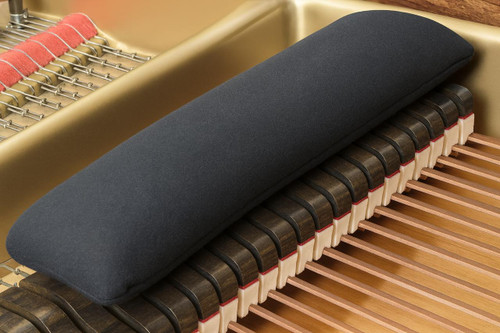
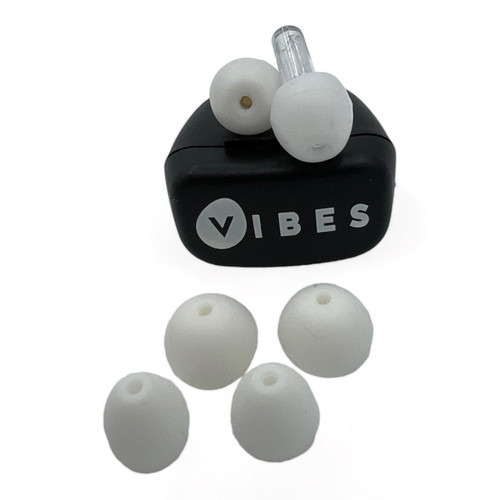
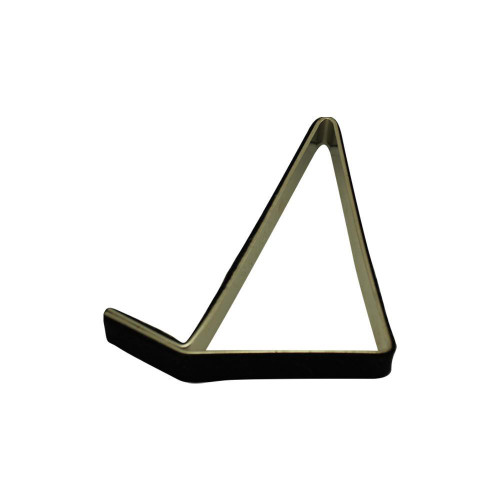
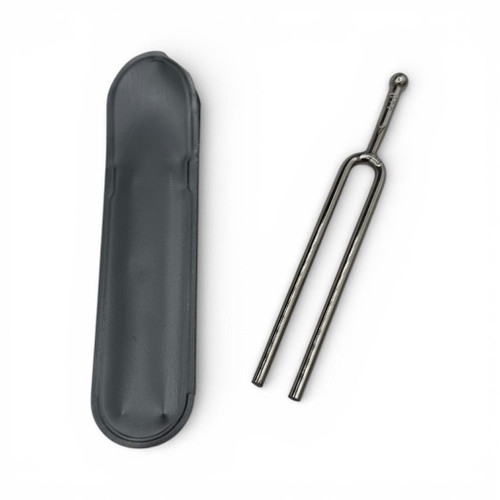
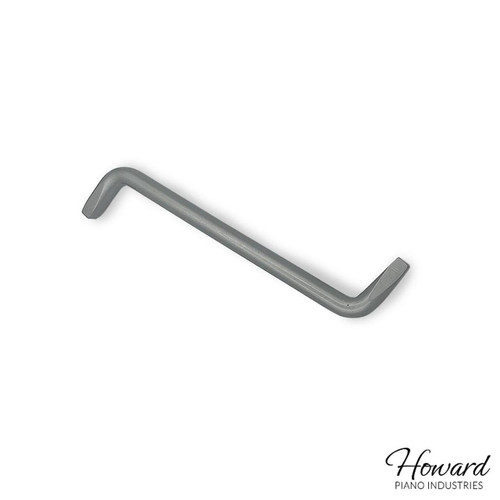
These tuning accessories are easy to add to any kit and help you work carefully without adding stress to the instrument or your hearing. The collection includes A440 tuning forks for ear-based reference, high-fidelity earplugs that preserve pitch perception, lever tips and screwdriver bits that match your current handle, replacement rods for extension hammers, lid prop blocks for secure grand lid positioning, compact tool bags with padded dividers, and mutes for isolating strings during unison work. For mute styles that fit common plate designs, see our piano tuning mutes.
Select by fit and workflow. Match tip sizes and thread types to your existing lever, and verify rod diameter and length before replacing or extending a hammer. For quick pitch checks and ear training, explore our practical A440 tuning fork guide. To confirm sizing before you buy, review this concise tuning lever tip compatibility guide.
Quality materials support reliable, repeatable work. Hardened steel tips and precision-ground bits resist rounding under load, while dense lid prop blocks with non-slip contact surfaces help prevent accidental lid movement. For travel, rigid-divided tool bags protect delicate tips and small parts so you can move efficiently from piano to piano. If you are refining your toolkit, start with our durable professional tuning hammers and build from there. For background knowledge that supports confident selection, see our piano tuning theory. Shop this collection.
FAQs: Shop Tuning Accessories | Howard Piano Industries Questions
For establishing a reference pitch before tuning, how do an audible A440 tuning fork and a visual digital tuner compare in usefulness across different room acoustics and mobile jobs?
A440 gives a quick, portable audible reference and valuable harmonic checks, while a digital tuner provides precise cent and frequency readouts and more consistency in noisy or temperature-variable environments. For harmonic checks, many tuners reference our table of partials.
How can I confirm a replacement screwdriver bit, lever tip wrench, or rod will fit my existing tuning lever and set screws without risking stripped threads or loose tips during service?
Compare tip size, thread type, and rod length to your lever specs, consult compatibility guides, and contact support if any dimensions or thread profiles are ambiguous.
When servicing multiple pianos back-to-back, why might high-fidelity earplugs be recommended over basic foam plugs for hearing protection and pitch accuracy?
High-fidelity plugs reduce overall volume while preserving tonal balance and pitch relationships, so you protect hearing without compromising the ability to judge relative tuning.
What factors about height, material, and slip resistance should I consider when choosing a lid prop block for grand piano regulation or voicing in different studios?
Select a block with the correct working height, dense durable material to resist crushing, and a secure non-slip surface to prevent movement or accidental lid closure.
For a mobile tuner, which internal layout features and accessories in a compact tool bag best protect delicate lever tips and speed workflow between jobs?
Look for padded compartments, rigid dividers, dedicated slots for levers and bits, pockets for mutes and small parts, and a design that keeps frequently used items immediately accessible.